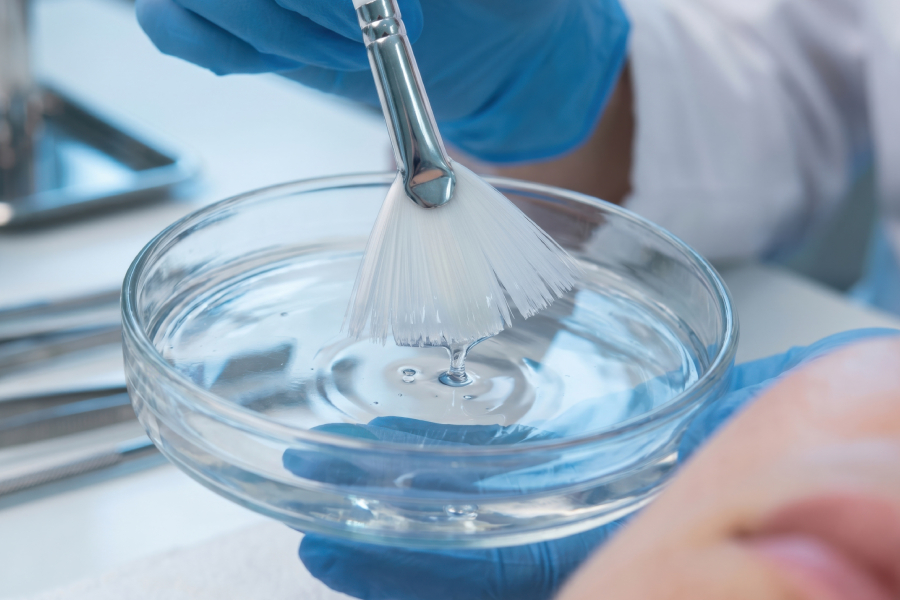
When it comes to improving skin texture, reducing imperfections, and achieving a healthier complexion, two treatments often stand out: chemical peels and microneedling. Both are popular non-surgical options that can address a variety of skin concerns, but they work in very different ways. Understanding the differences can help you determine which treatment may be best suited to your skincare goals.
What Is a Chemical Peel?
A chemical peel is a skin-resurfacing treatment that uses carefully selected acids to exfoliate the outer layers of the skin. As damaged skin cells shed away, newer and healthier skin is revealed underneath.
Chemical peels are commonly used to improve:
- Uneven skin tone
- Sun damage
- Fine lines and mild wrinkles
- Acne and acne scars
- Hyperpigmentation
- Dull-looking skin
The depth of a chemical peel can vary depending on the formulation used and the specific concerns being treated. Many people seeking chemical peels in Markham choose this treatment because it can refresh the skin and create a brighter, smoother appearance with minimal downtime.
What Is Microneedling?
Microneedling is a collagen-induction therapy that uses tiny, controlled needles to create micro-injuries in the skin. These microscopic channels stimulate the body’s natural healing process, encouraging the production of collagen and elastin.
Microneedling is often recommended for:
- Acne scars
- Enlarged pores
- Fine lines and wrinkles
- Stretch marks
- Skin laxity
- Uneven skin texture
Because the treatment works by triggering the skin’s regenerative response, improvements continue to develop over several weeks following each session.
Key Differences Between Chemical Peels and Microneedling
While both treatments aim to improve skin quality, their approach is different.
Chemical peels primarily target the surface layers of the skin through exfoliation. They are particularly effective for pigmentation concerns, discoloration, and achieving a brighter complexion.
Microneedling, on the other hand, works deeper within the skin. It focuses on stimulating collagen production, making it a popular choice for scarring, textural concerns, and signs of aging.
Another difference is recovery time. Depending on the strength of the peel, some peeling and flaking may occur after a chemical peel. Microneedling generally results in temporary redness and mild sensitivity that typically subsides within a few days.
Which Treatment Is Right for You?
The best treatment depends on your skin concerns and desired results.
A chemical peel may be ideal if your primary goals include improving pigmentation, reducing sun damage, and enhancing overall skin radiance. Individuals interested in chemical peels in Markham often choose this option to achieve a refreshed appearance and a more even skin tone.
Microneedling may be better suited for those looking to minimize acne scars, improve skin firmness, or address deeper textural issues through collagen stimulation.
Enjoy Your Best Skin with Sculpt Medi Spa!
Ready to discover the treatment that’s right for your skin? At Sculpt Medi Spa, our experienced team takes a personalized approach to skincare, helping you choose solutions tailored to your goals and skin type. Whether you’re considering chemical peels, microneedling, or a customized combination of treatments, we’re here to guide you every step of the way.
Visit Sculpt Medi Spa today and take the first step toward smoother, brighter, and more confident-looking skin.